
Article Overview and Content
As power battery systems evolve toward greater safety and higher energy density, new demands are constantly emerging regarding material properties, structural design, manufacturing processes, and cost control for module casings, sealing covers, and battery trays.
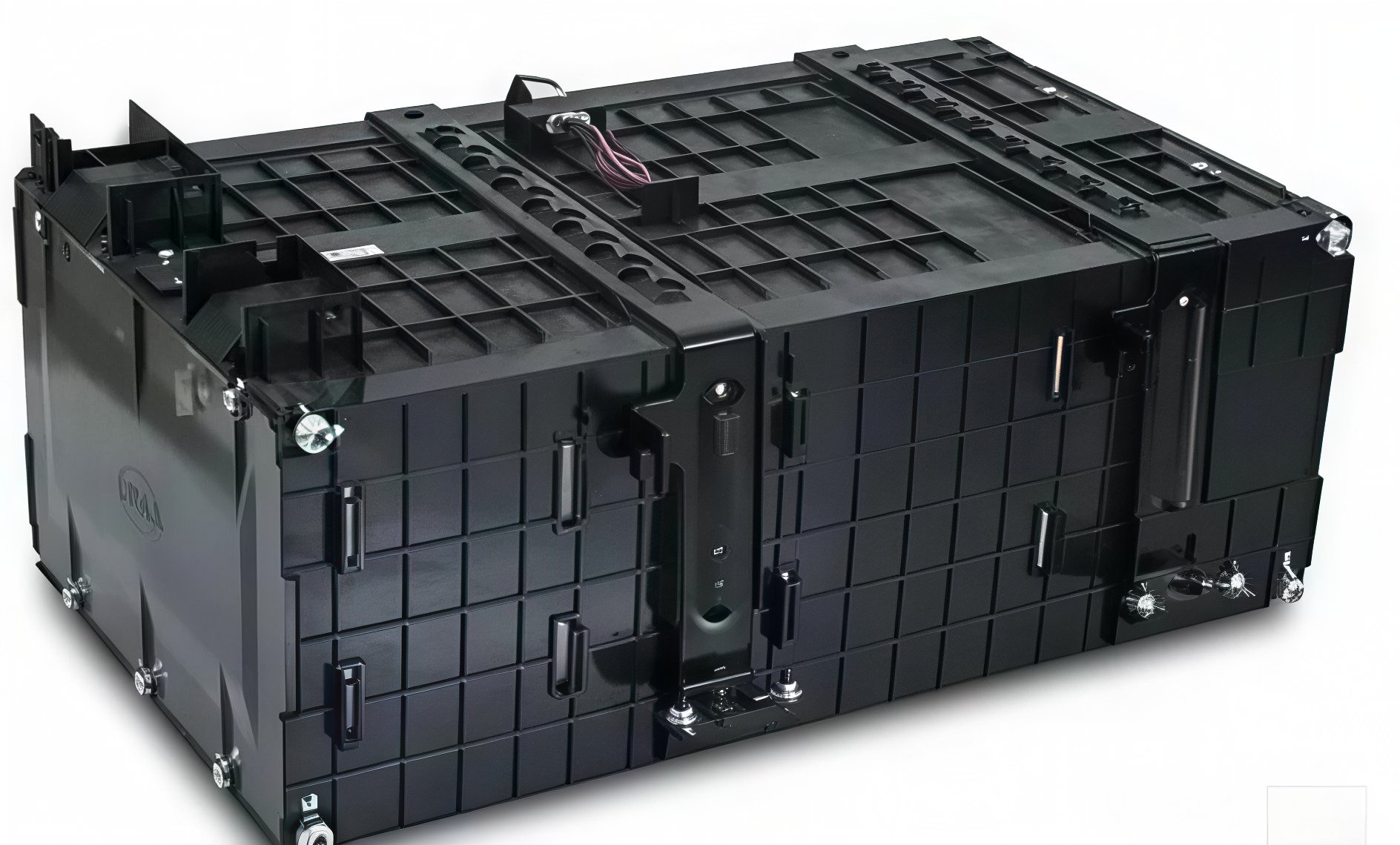
The power battery pack—a core component system of new energy vehicles—creates significant demand for plastic housing materials; plastics are already widely used for battery module casings and battery pack sealing covers. As power battery systems evolve toward greater safety and higher energy density, new demands are constantly emerging regarding material properties, structural design, manufacturing processes, and cost control for module casings, sealing covers, and battery trays. So, how do plastic housings affect the performance of power battery systems? What specific plastic materials are used for these housings?
Typical applications of plastic housing materials in new energy vehicles
I. Module Casings
Development trends for module casing plastics: lightweighting and design integration.
Material requirements:
Superior mechanical properties;
Ease of molding into thin-walled parts.
1. Typical materials: PPO; PC/ABS.
2. Example of material evolution: Modified PPS.
II. Sealing Covers
1. Comparison of materials for power battery sealing covers
Early designs primarily utilized PP and steel; however, due to flame retardancy and weight constraints, standard SMC (Sheet Molding Compound) and LFT (Long Fiber-reinforced Thermoplastics) are now widely used, alongside limited use of aluminum alloys.
2. Lightweight SMC battery pack sealing covers
Material parameters: While SMC offers excellent flame retardancy, traditional versions have high density and weight. BYD has independently developed a low-density SMC product that delivers both superior flame retardancy and significant weight reduction.
Development trend for plastic housing materials in new energy vehicles: Lightweighting
The application of plastics for lightweighting in new energy vehicles presents both opportunities and challenges. High-performance metal materials are also advancing rapidly; materials such as new high-strength steels, 7000-series aluminum alloys, and magnesium alloys are simultaneously vying for roles in vehicle lightweighting.
Pathways to increasing power battery pack energy density:
Increasing the energy density of the battery cells themselves.
Lightweighting non-cell components (such as module casings and battery trays). I. Lightweighting of Battery Trays
Carbon fiber possesses a specific strength and specific modulus significantly higher than those of aluminum alloys and structural steels, offering the potential for substantial weight reduction in battery trays.
1. Carbon Fiber Composite Solution
Achieves a 30% weight reduction while offering advantages in power battery thermal management; simultaneously provides flame retardancy, thermal insulation, electrolyte resistance, electrical insulation, and sealing capabilities.
Crush Test: Meets the 100 kN requirement for both transverse and vertical crushing.
Fire Test: Remains structurally intact during gasoline fire testing conducted in accordance with national standards.
Vibration Test: Passed. No abnormalities detected in battery voltage or temperature; no structural damage to the tray or connection points.
2. Challenges from Other Lightweight Materials: Magnesium Alloys
Performance Advantages:
Low density: Two-thirds that of aluminum and one-quarter that of iron;
High specific strength: 50 MPa higher than aluminum alloys and double that of carbon steel;
Good vibration damping: Superior damping properties compared to cast iron;
Good impact resistance: Superior to aluminum alloys and mild steel;
Ease of design: Structural design principles are similar to those used for other metallic materials;
There are primarily two types of plastics used in new energy vehicles: lightweighting materials (which differ little from those used in traditional vehicles, though the demand for lightweighting is more acute in new energy vehicles) and materials related to electrical systems—such as those used for connectors, charging ports, and components surrounding the power battery.